Is TPO Roofing Right for Your Commercial Building?
Picking out the right roofing system for a commercial building is a decision that affects daily operations, long-term maintenance, and overall property value. With so many materials on the market, it can be difficult to sort through the options and understand what truly fits your building’s needs. TPO roofing has become a popular choice in recent years, especially for flat and low-slope commercial roofs. It stands out for combining energy efficiency with an accessible installation process that appeals to many business owners.
Before committing to any roofing system, it helps to know how it performs, what it requires, and where it makes the most sense. Working with an experienced roofing contractor can make this process much easier. Discover how to decide if TPO roofing is the right solution for your commercial building.
Exploring TPO Roofing Systems
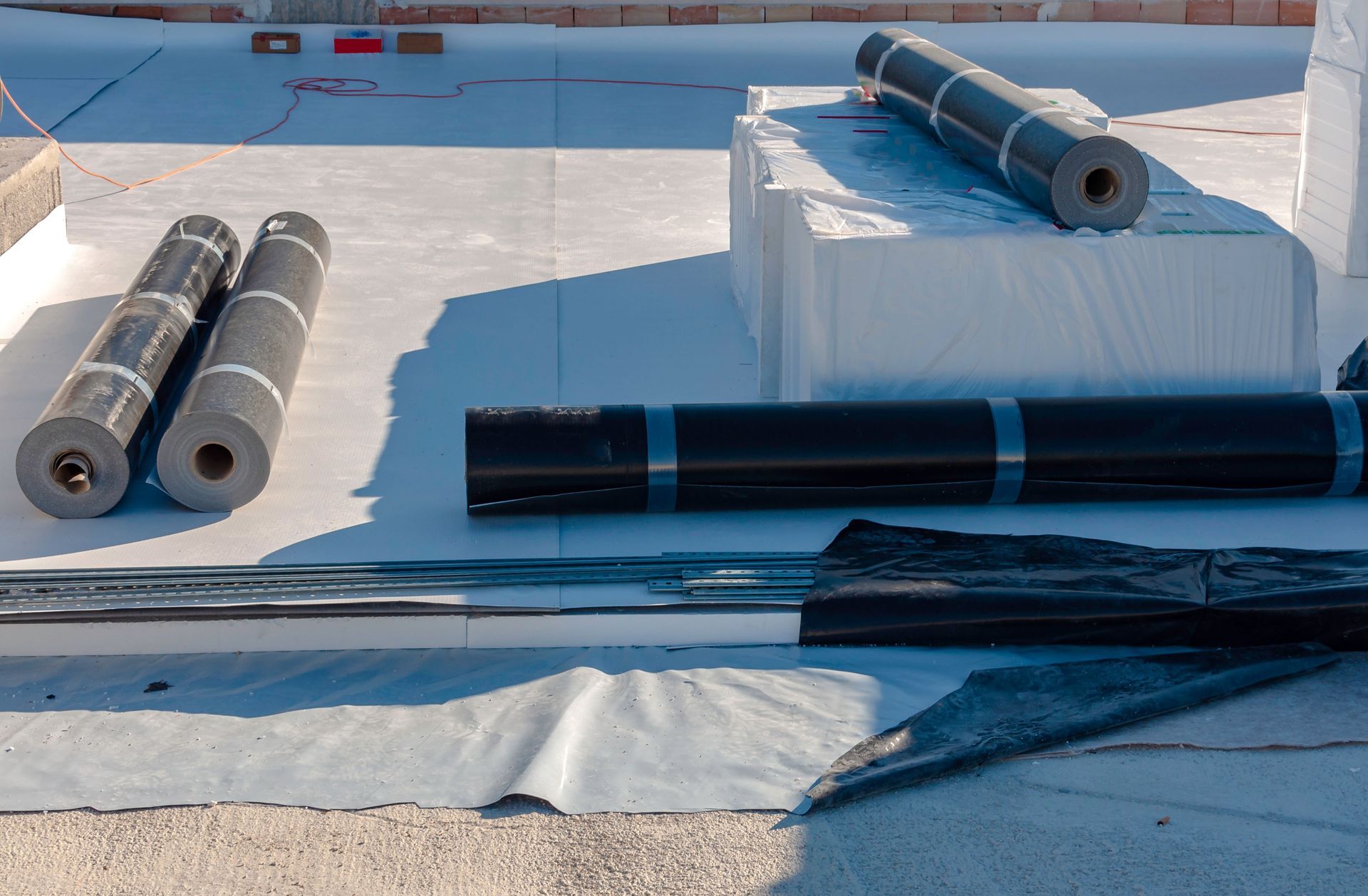
TPO roofing is a single-ply membrane commonly used on commercial properties with flat or gently sloped roofs. It is installed in large sheets that are mechanically fastened, adhered, or heat-welded to create a continuous surface. This design helps reduce seams and potential weak points across the roof area.
One of the defining features of TPO is its reflective surface, which is typically white or light colored. This reflectivity helps manage surface temperatures by deflecting sunlight rather than absorbing it. For many commercial buildings, this characteristic supports more stable indoor conditions throughout the year. As a result, businesses often see reductions in cooling costs during warmer seasons.
TPO membranes are designed to be flexible, allowing them to expand and contract with temperature changes. This flexibility reduces stress on the roofing system during seasonal shifts. Over time, this can help minimize cracking or splitting that might occur with more rigid materials. Such adaptability makes TPO especially well-suited for climates with temperature extremes.
When evaluating TPO as an option, it is important to understand how the system integrates with insulation, drainage, and existing roof structures. A knowledgeable roofing contractor can assess these elements together to determine whether TPO will perform effectively on a specific building. Proper integration ensures that the roofing system complements the rest of the building envelope for maximum performance.
Evaluating Performance Benefits
Durability is a major reason many property owners consider TPO roofing for commercial use. The material is engineered to resist common challenges such as UV exposure, punctures, and chemical buildup. These performance qualities make it suitable for buildings exposed to varying environmental conditions. Thanks to these resistances, TPO can maintain its integrity even in high-traffic or industrial environments.
Another advantage of TPO roofing is its ability to support consistent performance over time when properly maintained. According to This Old House, a TPO roof can last between 15 and 30 years with proper care and regular maintenance. This lifespan range makes it a practical option for owners looking for long-term value without committing to heavier roofing systems. Regular upkeep can further extend this longevity, adding to its cost-effectiveness.
TPO roofs are also known for their welded seams, which are heat-fused rather than glued. This process creates strong connections between membrane sheets that are less likely to separate over time. Secure seams play a key role in protecting the building from leaks and moisture intrusion. Such reliable sealing contributes to TPO’s reputation as a low-maintenance roofing choice.
Performance benefits are best realized when the roof is designed and installed with attention to detail. Working with an experienced roofing contractor helps ensure that materials, seam welding, and flashing are handled correctly from the start. Quality installation safeguards against early wear and maximizes long-term return on investment.
Considering Installation and Maintenance
Installation is a critical phase for any commercial roofing system, and TPO is no exception. The membrane must be laid out precisely, with proper attachment methods selected based on the building’s structure and local conditions. Even small installation errors can affect how the roof performs over time, which is why only certified or highly skilled crews should handle TPO installations.
Maintenance for TPO roofing is generally straightforward, but it should not be overlooked. Routine inspections help identify surface damage, seam wear, or drainage issues before they escalate. Regular cleaning can also prevent debris buildup that may trap moisture or stress the membrane. A proactive maintenance schedule can make a noticeable difference in extending the roof’s usable life.
Repairs on TPO roofs are typically localized, meaning damaged sections can often be addressed without disturbing the entire system. This can reduce downtime for businesses operating within the building. However, repairs still require proper tools and techniques to maintain seam integrity. In most cases, a quick professional assessment keeps minor issues from evolving into costly repairs.
A qualified roofing contractor plays an important role in both installation and ongoing care. Having a professional familiar with TPO systems ensures that maintenance and repairs align with manufacturer guidelines and long-term performance goals. Partnering with the same contractor over time also provides consistency in how the roof is managed and documented.
Assessing Cost and Building Compatibility
Cost is often a deciding factor when choosing a commercial roofing system. TPO roofing is generally considered a mid-range option, offering a balance between upfront investment and long-term performance. For many building owners, this balance makes it an appealing alternative to more expensive systems. In addition, its energy-saving potential can help offset initial installation costs over time.
Compatibility with the existing building structure is another key consideration. TPO’s lightweight nature can be beneficial for roofs that cannot support heavier materials. This flexibility allows it to be used in new construction as well as certain retrofit projects. Proper assessment ensures that building load limits and design constraints are fully respected.
It is also important to consider how the roof will interact with other building systems. Drainage, rooftop equipment, and foot traffic all influence how well a TPO roof performs. Evaluating these factors together helps avoid surprises after installation. Coordinating design plans early can lead to fewer modifications during construction or replacement.
An experienced roofing contractor can review cost expectations alongside structural and operational needs. This holistic approach helps ensure that TPO roofing is not just affordable, but also suitable for the building’s long-term use. In doing so, property owners can make decisions that balance performance with budgetary goals.
Deciding whether TPO roofing is right for your commercial building requires more than a quick comparison of materials. It involves understanding how the system performs, how it is installed, and how it will be maintained over time. Each building has unique demands that should be considered carefully. Tailoring your choice to these demands can maximize both return and reliability.
By reviewing performance benefits, installation requirements, and overall compatibility, property owners can make informed decisions with confidence. Consulting with a reliable roofing contractor allows these factors to be evaluated together for a system that supports both current needs and future goals. Taking these steps early aids in avoiding unexpected maintenance or performance issues down the line.
TPO roofing continues to be a strong option for many commercial properties due to its versatility and balanced performance. When installed and maintained correctly, it can offer dependable protection and efficiency for years to come. Taking the time to assess whether it aligns with your building’s specific requirements is a worthwhile investment in long-term reliability.
At Topline General Construction Inc, we take pride in helping businesses find roofing solutions that last. Contact us today to schedule an inspection from a commercial roofing contractor or discuss how our team can support your next roofing project.


Share On: