4 Questions Homeowners Frequently Ask About Roof Repairs
A roof plays an important role in protecting a home from rain, wind, sunlight, and changing temperatures. Over time, however, even a well-maintained roof can develop problems that require professional attention. Missing shingles, water stains, leaks, and damaged flashing are just a few signs that something may be wrong. Knowing how to respond to these issues can help homeowners protect their property and make informed decisions about maintenance.
For many homeowners, roof repairs come with several questions. How can someone tell when a roof needs attention? Is it better to repair a damaged area or replace the entire roof? How much should repairs cost, and how can future problems be prevented? Understanding the answers to these common questions makes it easier to plan for roofing work and recognize when professional assistance is necessary. Topline General Construction Inc. can help homeowners understand their roofing concerns and determine the next steps for maintaining a dependable roof.
What Are the Signs That a Roof Needs Repairs?
One of the most common questions homeowners ask is how to determine whether their roof needs professional attention. While some problems are immediately noticeable, others develop gradually and may remain hidden until they cause more extensive damage. Regular visual inspections and awareness of changes inside and outside the home can help identify potential roofing issues before they become more complicated.
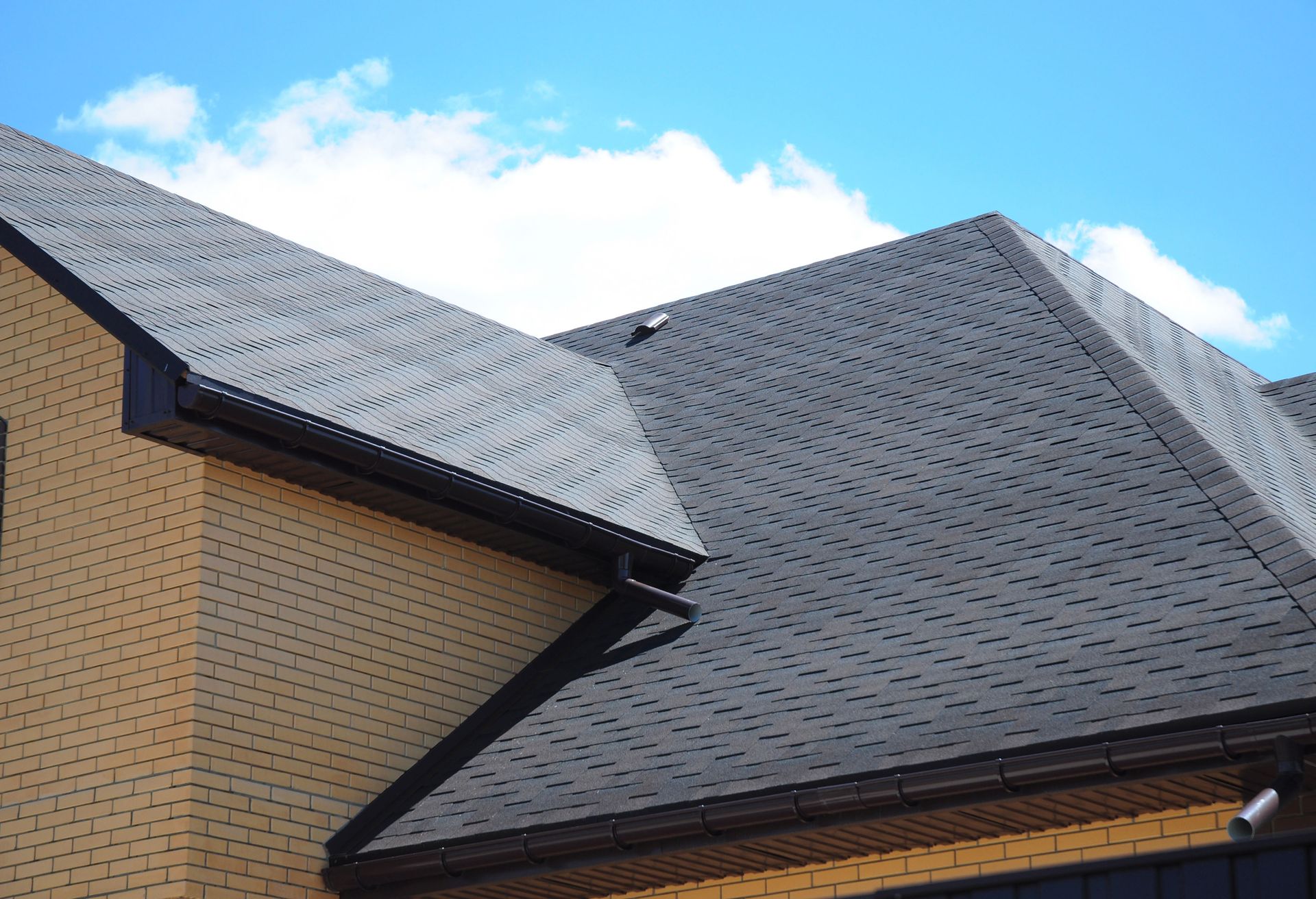
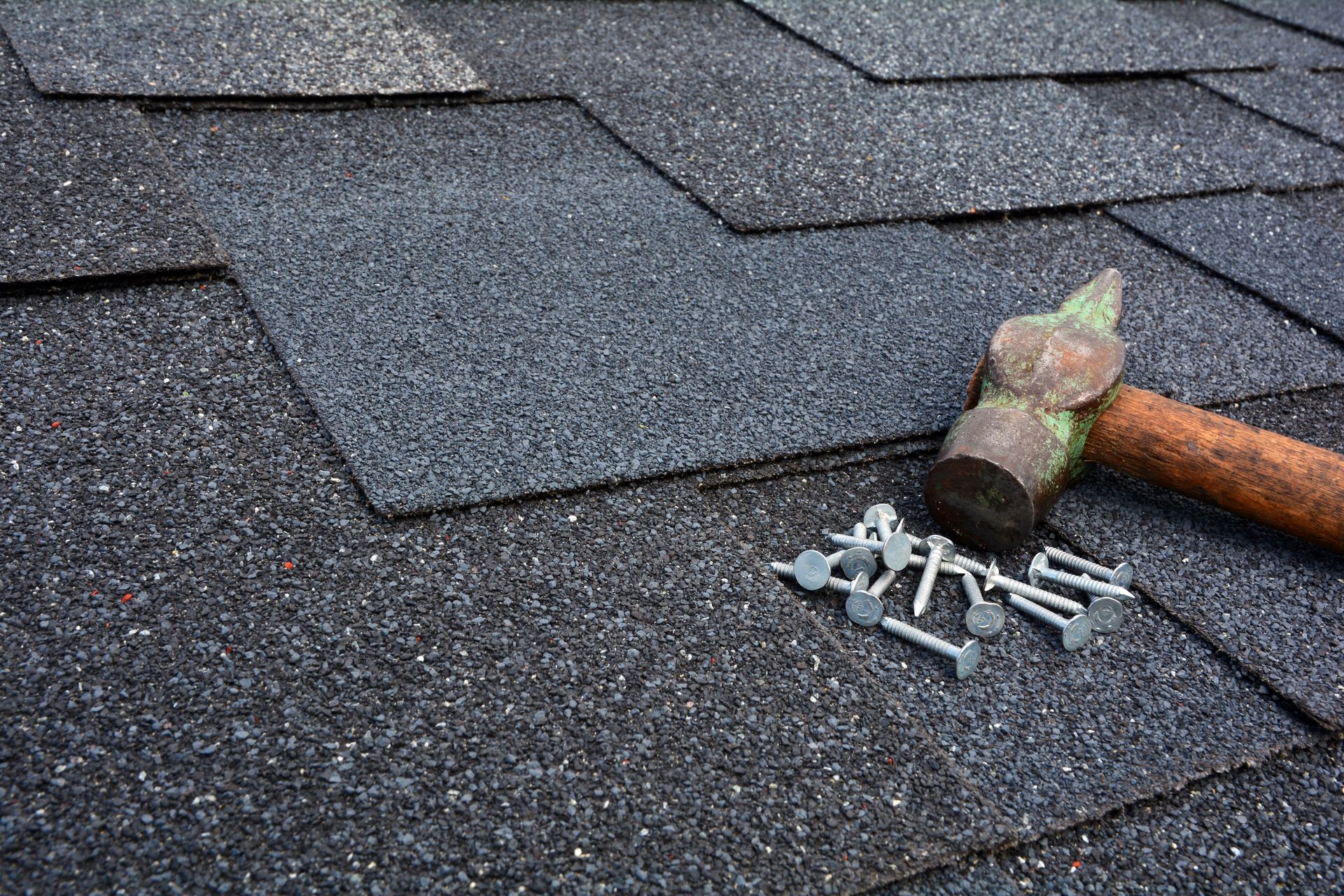
Missing, cracked, curling, or loose shingles are common warning signs. Shingles serve as a protective layer that helps direct water away from the roof's underlying materials. When shingles become damaged or displaced, moisture may reach the roof deck and contribute to wood deterioration or leaks. Granules collecting in gutters can also indicate that asphalt shingles are wearing down, particularly when accompanied by bald spots or visible deterioration.
Water stains on ceilings and walls are another important warning sign. These stains may appear as yellow or brown discoloration, bubbling paint, or peeling drywall. Homeowners might also notice damp insulation, musty odors, or moisture in the attic after rainfall. Although these symptoms can point to a roof leak, plumbing problems and condensation may produce similar signs, so identifying the actual source is important.
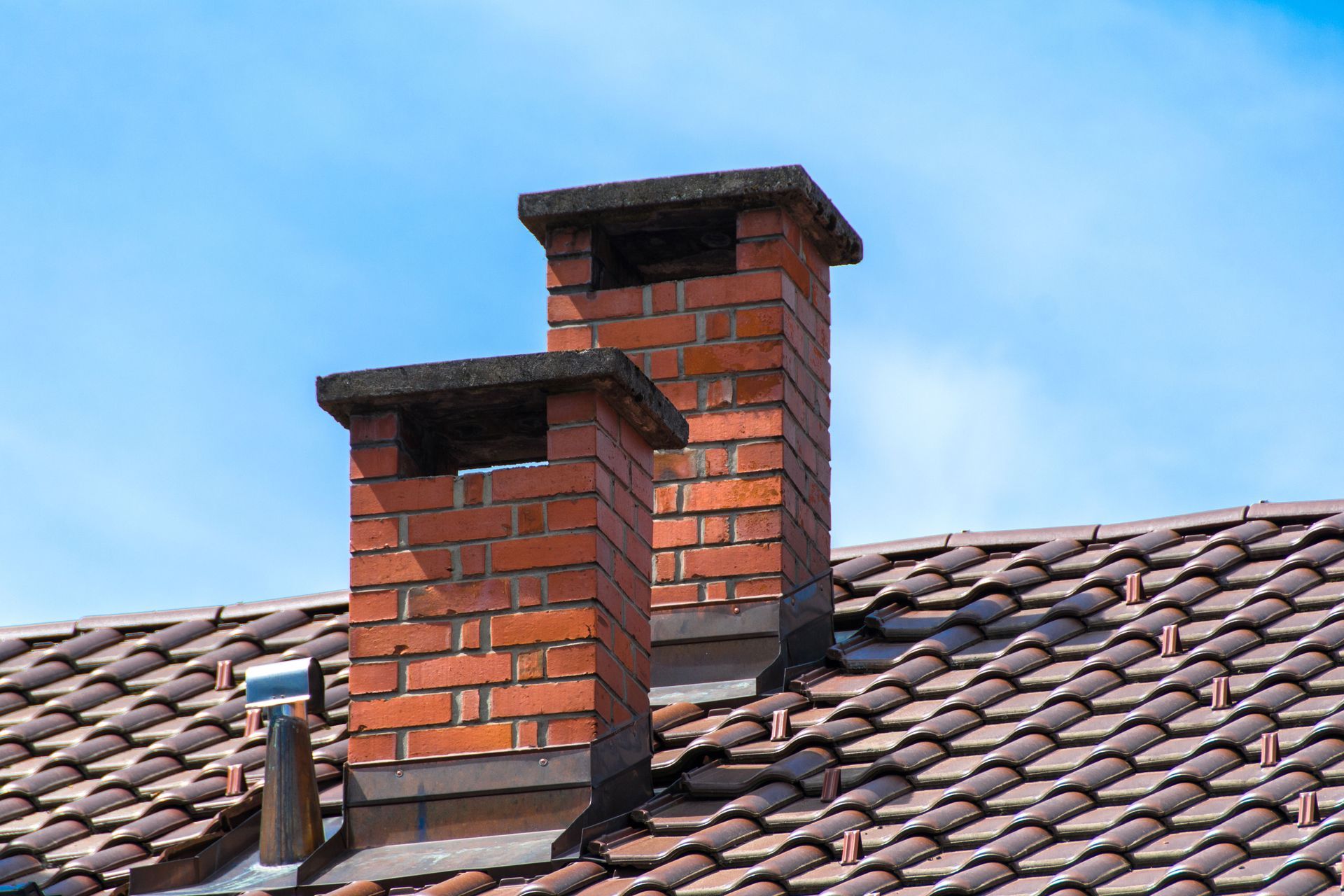
Exterior components deserve attention as well. Damaged flashing around chimneys, vents, and skylights can create openings where water enters the home. Sagging roof sections, loose gutters, and debris accumulating in valleys may also indicate problems that require evaluation. After severe weather, homeowners should look for visible damage from the ground rather than climbing onto a potentially unsafe roof.
Should Homeowners Choose Repairs or Replacement?
Another frequent question concerns whether a damaged roof should be repaired or replaced. The answer depends on several factors, including the roof's age, the extent of the damage, the condition of the existing materials, and the cost of the proposed work. A small leak or a few damaged shingles may only require a targeted repair, while widespread deterioration could make replacement a more practical long-term option.
According to HomeGuide, roof repair is often recommended instead of replacement when less than 25% of the roof is damaged, repair costs are under 30% of a new roof, and the roof is less than 20 years old. These guidelines offer a useful starting point, but they should not be treated as strict rules for every home. Different roofing materials have different lifespans, and local weather conditions, installation quality, and maintenance history can influence how well a roof performs over time.
For example, a relatively young roof with isolated storm damage may remain in good condition across most of its surface. Replacing a few shingles or repairing damaged flashing could restore its ability to protect the home without requiring a complete replacement. In this situation, roof repairs may be the more cost-effective choice, provided the surrounding materials remain sound and compatible with the repair.
On the other hand, an older roof with recurring leaks, widespread shingle deterioration, or damaged underlying materials may need more extensive work. Repeatedly repairing individual problem areas can become expensive when the same roof continues developing new issues. A professional assessment can help determine whether additional repairs are likely to provide lasting results or whether replacement deserves consideration.
How Much Do Roof Repairs Typically Cost?
The cost of
roof repairs is another concern for homeowners, especially when damage appears unexpectedly after a storm or during a rainy period. Roofing costs vary considerably because every project involves different materials, labor requirements, accessibility considerations, and levels of damage. A minor repair may be relatively affordable, while extensive water damage or structural deterioration can require a larger investment.
The type of roofing material is one factor that affects pricing. Asphalt shingles are common on residential properties, but homes may also have metal roofing, tile, wood shingles, or other materials. Each material requires specific repair methods and compatible replacement components. Finding materials that match the existing roof can also influence the cost, particularly when the original product is discontinued or difficult to obtain.
The location and severity of the damage matter as well. Replacing a few shingles in an accessible area generally involves less work than repairing a leak around a chimney or addressing damaged decking beneath multiple roofing layers. Steep roof slopes, difficult access, and extensive water intrusion may increase the time and equipment needed to complete a project safely.
Labor and local market conditions also influence the final estimate. Homeowners should ask whether a proposed price includes material costs, labor, removal of damaged components, disposal fees, and any necessary follow-up work. If the damage extends into insulation, drywall, or other parts of the home, those repairs may be priced separately from the roofing work.
When comparing estimates, it is important to look beyond the lowest price. A detailed estimate should explain the problem, identify the recommended work, and clarify which materials will be used. Homeowners can also ask about workmanship warranties, payment schedules, and any limitations that could affect the project.
How Can Homeowners Prevent Future Roofing Problems?
Although no roof lasts forever, routine maintenance can help homeowners identify developing issues and reduce the likelihood of unexpected damage. Preventive care is particularly valuable because small roofing defects are often easier and less expensive to address than problems that have been allowed to spread.
One practical step is to schedule periodic roof inspections. A professional can examine shingles, flashing, roof penetrations, valleys, and other areas that are vulnerable to moisture. Inspections are especially useful after severe weather, when strong winds, hail, or falling branches may have damaged materials. Homeowners should avoid walking on the roof themselves because slippery surfaces, unstable materials, and steep slopes create serious safety risks.
Keeping gutters and downspouts clear is another important maintenance task. Gutters help carry rainwater away from the roof and foundation. When leaves, twigs, and other debris block water flow, moisture may collect near roof edges and contribute to deterioration. Cleaning gutters regularly and checking that downspouts direct water away from the home's foundation can help maintain proper drainage.
Trees surrounding the property deserve attention, too. Overhanging branches can scrape roofing materials, drop debris into valleys, and damage shingles during storms. Trimming branches that extend too close to the roof can reduce these risks. Removing loose debris from accessible areas and monitoring nearby trees also helps homeowners recognize potential hazards before they cause damage.
Attic ventilation and insulation can affect roof performance. Poor ventilation may contribute to excessive heat and moisture buildup, while inadequate insulation can create temperature differences that increase the risk of condensation. In colder climates, certain conditions can also contribute to ice dams along roof edges. A roofing professional can evaluate ventilation and insulation concerns and recommend improvements suited to the home's construction.
A well-maintained roof helps protect a home from the elements, but damage can develop as materials age and weather conditions change. Recognizing warning signs, understanding when repairs may be preferable to replacement, and comparing estimates carefully can help homeowners make informed decisions. Regular inspections, clean gutters, proper ventilation, and timely attention to minor problems can also reduce the risk of more extensive damage. When questions arise about roof repairs, Topline General Construction Inc. can help homeowners explore their options and determine the next steps toward maintaining a durable, dependable roofing system. Contact us today for more information.

Share On: