To Repair or Remove? How to Decide What’s Best for Your Old Chimney
An old chimney can tell a story just by looking at it. Some have stood for decades, weathering storms, freeze-thaw cycles, and years of heating cycles from inside the home. But eventually, every homeowner reaches that moment of decision: should it be repaired or fully removed? That’s not always a simple call, especially when the structure is tied into the overall condition of the home. In many cases, roof repair considerations also come into play since chimneys are deeply integrated with roofing systems. Understanding how the chimney is affecting the rest of the structure, and how the rest of the structure is affecting it, helps make the decision much clearer.
1. Evaluating Visible Exterior Chimney Damage
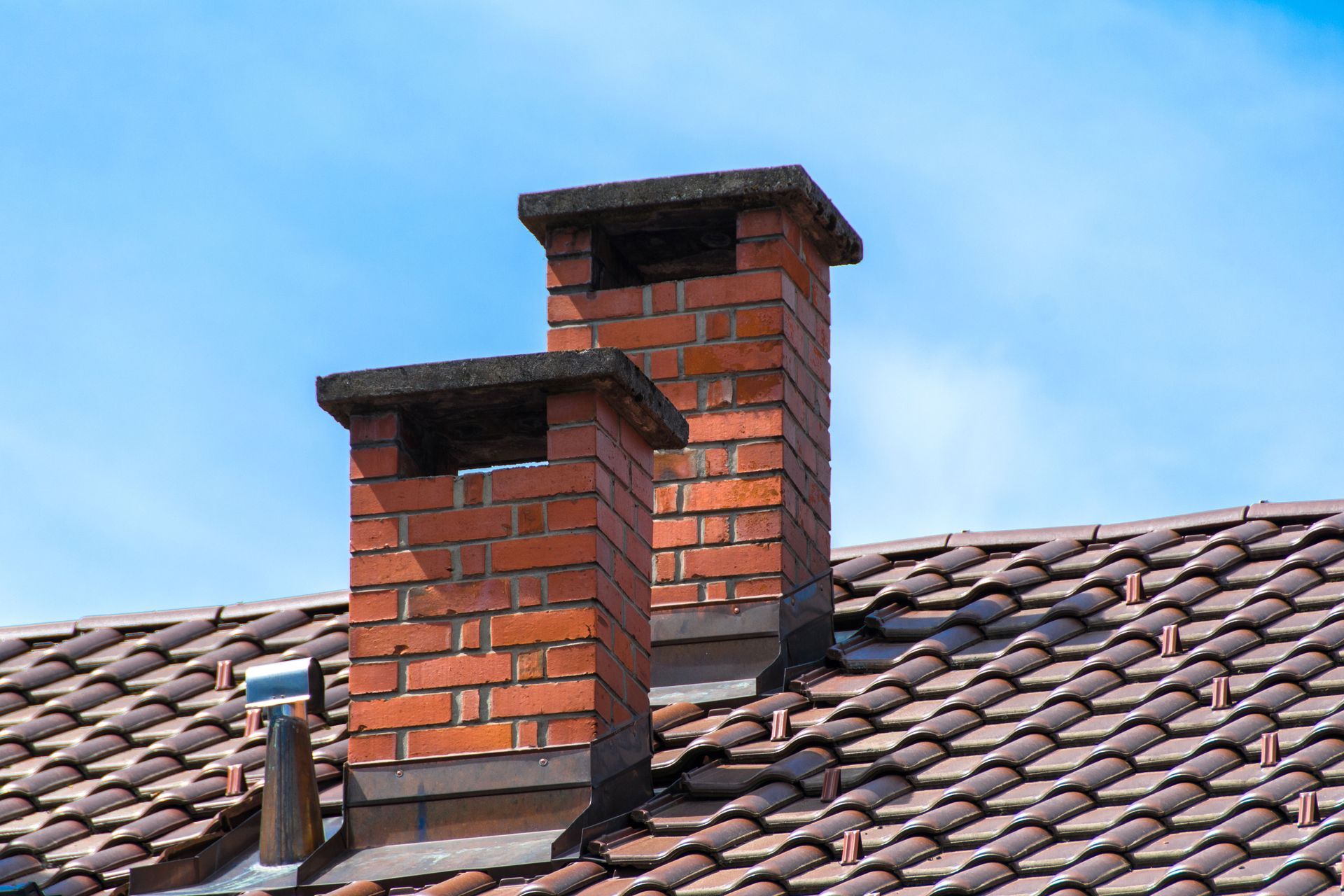
One of the first things to assess is what the chimney looks like from the outside. Cracked bricks, missing mortar, and leaning structures are all signs that something is off. Roof repair needs often become obvious when chimney deterioration starts affecting nearby roofing materials. Water intrusion around flashing areas can lead to more widespread issues if not addressed. In many cases, roof repair work is closely tied to chimney stability because both systems rely on proper sealing and structural alignment. When exterior damage is visible, it usually signals that a deeper evaluation is needed before deciding on repair or removal.
2. Understanding Internal Chimney Deterioration
What’s happening inside the chimney can be very different from what’s visible outside. Liners, flue systems, and internal masonry can wear down over time without obvious exterior signs. Roof repair concerns can emerge when internal chimney issues allow moisture to travel into roofing layers. That moisture can eventually spread beyond the chimney structure itself. Roof repair planning often includes addressing these hidden pathways of water intrusion. A thorough understanding of internal deterioration helps determine whether restoration is still practical or if removal makes more sense.
3. Considering Water Intrusion and Roof System Impact
Water is one of the biggest factors in chimney decline. Once moisture begins entering the structure, it can affect both the chimney and the surrounding roofing materials. Roof repair often becomes necessary when flashing or sealing around the chimney begins to fail. Even small gaps can lead to significant water movement over time. Roof repair work in these areas is essential to prevent long-term damage to rafters, insulation, and ceilings. When water intrusion becomes widespread, it often influences whether repair is still viable.
4. Understanding Structural Stability and Safety Concerns
A leaning or unstable chimney is more than just an appearance issue. It can indicate foundational problems or severe internal degradation. Roof repair considerations become critical when structural instability begins to affect roof load distribution. A compromised chimney can place uneven stress on roofing connections. Roof repair professionals often evaluate whether the chimney is still structurally safe to remain in place. If stability cannot be restored, removal may be the more practical direction. In some cases, addressing related roof repair issues around the chimney can help prevent further structural strain from developing.
5. Considering Age of the Chimney System and Material Lifespan
Age plays a major role in determining whether repair or removal is appropriate. Older chimneys often have materials that have reached or exceeded their expected lifespan. Roof repair decisions are influenced by how well the chimney has aged alongside the roof itself. According to This Old House, a well-built and maintained brick chimney can last as long as 50–100 years. However, interior elements like the chimney liner tend to break down after 15–20 years, so be sure to have your chimney inspected annually. Roof repair strategies often shift depending on whether the chimney is structurally aligned with the current condition of the roof system.
6. Comparing Cost Between Repair and Removal Options
Financial considerations often play a significant role in decision-making. Repairing a chimney can sometimes be more cost-effective in the short term, but not always in the long run. Roof repair expenses can increase if chimney issues continue to affect surrounding roofing areas. Repeated repairs may lead to ongoing maintenance costs that add up over time. Roof repair budgeting often includes evaluating whether continued investment in an aging chimney is sustainable. Comparing long-term costs helps clarify which direction is more practical.
7. Considering Impact on Overall Roof Performance
The chimney and roof work together as part of a connected system. When one weakens, the other is often affected. Roof repair needs frequently arise when chimney issues interfere with drainage or roofing material integrity. Poor chimney condition can disrupt water flow across the roof surface. Roof repair work may be required to correct these secondary effects. Understanding how the chimney influences overall roof performance helps guide the decision-making process more effectively. In many cases, small chimney defects can gradually create larger roofing vulnerabilities if left unaddressed. Addressing both systems together often leads to a more stable and long-lasting outcome.
8. Understanding Energy Efficiency and Draft Performance
An aging chimney can also impact how efficiently a home maintains temperature. Cracks or gaps can lead to drafts that affect indoor comfort. Roof repair considerations sometimes include addressing energy loss caused by chimney deterioration. When airflow becomes inconsistent, heating systems may have to work harder. Roof repair professionals often assess whether chimney-related issues are contributing to energy inefficiency. This factor can influence whether repair or removal provides better long-term value. Over time, these inefficiencies can also increase strain on other home systems, leading to more noticeable comfort fluctuations. Improving the condition of connected roofing elements can help stabilize indoor temperatures and reduce unnecessary energy loss.
9. Considering Future Home Use and Structural Planning
How a home will be used in the future matters when evaluating chimney options. Some homeowners may no longer need an active fireplace system at all. Roof repair planning often includes evaluating whether the chimney is still necessary for the home’s function. Removing an unused chimney can sometimes simplify roofing maintenance. Roof repair requirements may decrease when unnecessary structural elements are eliminated. Considering long-term use helps ensure the decision aligns with future plans for the property.
10. Understanding Professional Assessment and Long-Term Decision Making
Making the final decision between repair and removal requires a full structural understanding. Roof repair specialists often evaluate how the chimney's condition affects the entire roofing system before recommending a path forward. Their assessment helps identify risks that may not be visible at the surface level. Roof repair planning benefits from this broader perspective, especially when multiple structural components are involved. In many cases, expert evaluation helps clarify whether restoration efforts are worthwhile or if removal is more appropriate for long-term stability. This process also helps prioritize safety while ensuring the roof repair approach aligns with the overall condition of the home.
Deciding whether to repair or remove an old chimney comes down to understanding its condition, its impact on the roof system, and how it fits into the long-term structure of the home. Roof repair considerations are often closely tied to chimney health because both systems depend on proper sealing, alignment, and stability. When these elements begin to fail together, the decision becomes more complex but also more important. Taking the time to evaluate both visible and hidden factors helps ensure the right outcome for the property.
For homeowners navigating structural concerns and roofing decisions, Topline General Construction Inc can help evaluate chimney conditions alongside roof repair needs to determine the most practical long-term solution.

Share On: